Inhaltsverzeichnis
Die Zeiten, in denen großartige Produkte allein genügten, sind vorbei. Die Hersteller, die heute gewinnen, konzentrieren sich nicht mehr nur auf die Produktion. Sie haben etwas aufgebaut, das die meisten Wettbewerber noch nicht einmal benannt haben: eine Content-Infrastruktur, die rohe Produktdaten in etwas verwandelt, das tatsächlich verkauft.
Diese Infrastruktur nennen wir Dark PIM.
Was ist Dark PIM?
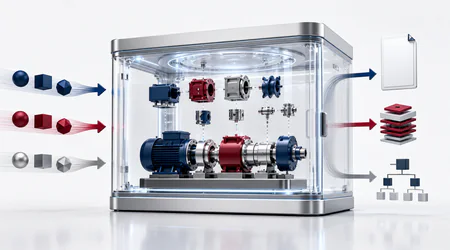
Dark PIM ist die unsichtbare Schicht aus Systemen und Prozessen, die rohe Produktdaten in reichhaltige, marktreife Inhalte verwandelt. In der Praxis sieht der Unterschied etwa so aus: Statt „250 g Stahl“ aufzulisten, erzählen Sie eine Geschichte über Nachhaltigkeit, handwerkliche Qualität und das, was das Produkt für den Käufer wirklich leistet.
Kunden interagieren niemals direkt mit dieser Schicht. Aber sie spüren sie jedes Mal, wenn sie eine Produktbeschreibung lesen, die ihre Fragen tatsächlich beantwortet, ein Bild sehen, das zum jeweiligen Kanal passt, oder einen Kauf ohne Verwirrung abschließen. Wenn Dark PIM gut funktioniert, ist es unsichtbar. Wenn es nicht existiert, zeigt sich die Lücke.
Wie führende Hersteller es einsetzen
Hersteller, die in Dark PIM investiert haben, machen nicht eine große Sache anders. Sie machen mehrere kleinere Dinge konsequent:
- Skalierbare Content-Systeme – Einfache Produktspezifikationen werden in conversion-orientierte Narrative verwandelt, ohne dass ein Team von Textern jeden Datensatz manuell anfassen muss.
- Multichannel-Content-APIs – Eine zentrale Datenquelle, die Produktinhalte automatisch für Händler, Marktplätze und Direktvertriebskanäle anpasst.
- Lokalisierung in Höchstgeschwindigkeit – Neuronale maschinelle Übersetzung hält die Markensprache über 20 oder mehr Märkte hinweg konsistent, ohne dass der Personalaufwand proportional steigt.
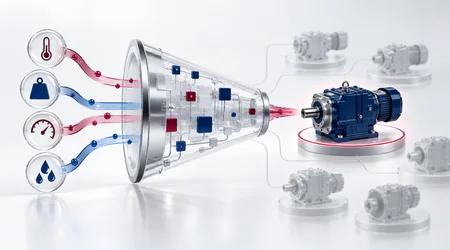
- KI-angereicherte Produktdaten – Attribute wie Einsatzszenarien, Kompatibilitätshinweise und emotionaler Kontext werden zu Datensätzen hinzugefügt, die ein Standard-PIM nackt lassen würde. Wie KI bei der Aufbereitung unvollständiger Produktdaten unterstützt, zeigt KI im PIM.
- Programmatische Produktbeziehungen – Verknüpfungen zwischen Produkten auf Basis realer Nutzungsmuster statt willkürlicher Kategoriehierarchien.
Was das konkret für Hersteller bedeutet
Für Unternehmen im Maschinenbau, in der Industrieausrüstung oder in der Elektronik geht es bei Dark PIM nicht nur darum, bessere Texte zu schreiben. Die Herausforderungen reichen tiefer. Portfolios mit Tausenden von Varianten, technische Spezifikationen in mehreren Sprachen und die Anforderung, Klassifikationsstandards wie ETIM und eCl@ss über Distributorennetzwerke hinweg zu erfüllen: Nichts davon lässt sich mit einem einfachen PIM-Setup lösen.
Ein ausgereifter Dark-PIM-Ansatz für Hersteller umfasst typischerweise automatisiertes Variantenmanagement über große Produktfamilien hinweg, klassifikationsbasierte Content-Anreicherung, die direkt auf die Anforderungen der Distributoren abgebildet wird, die Integration von CAD-Dateien und Konformitätszertifikaten neben den kommerziellen Produktdaten sowie saubere Onboarding-Pipelines für eingehende Lieferantendaten. Das Ziel: Rohdaten, die an einem Ende hineingehen, kommen am anderen Ende als kanalfertige Inhalte heraus – mit so wenig manuellem Eingreifen wie möglich.
Die unbequemere Wahrheit
Händler und Marktplätze sind wählerisch geworden. Sie bevorzugen inzwischen Marken, die reichhaltige, strukturierte und sofort einsetzbare Inhalte über automatisierte Kanäle liefern. Hersteller, die Produktinhalte als Nebensache behandeln, verpassen nicht nur eine Chance. Sie verlieren aktiv Platzierung, Sichtbarkeit und Conversions an Wettbewerber, die das verstanden haben.
Die Verschiebung ist einfach zu beschreiben, aber wirklich schwer umzusetzen: Bei einem modernen PIM-System geht es nicht mehr um das Verwalten von Daten. Es geht darum, zu einem Content-Betrieb zu werden, der nebenbei Produkte herstellt.
Wie Viamedici EPIM/5 dazu passt
Viamedici EPIM/5 bringt MDM, PIM, DAM und CPQ in einer einzigen Plattform zusammen, sodass Hersteller alles – von den Stammdaten bis zum fertigen Content – an einem Ort verwalten. KI-gestützte Übersetzung, intelligente Content-Empfehlungen und Echtzeit-Datensynchronisation sind integriert, nicht nachträglich angeflanscht.
Für Hersteller, die skalieren wollen, ohne ihre Teams zu vergrößern, ist diese Kombination entscheidend. Content-Erstellung, Lokalisierung und Syndizierung können weitgehend automatisch ablaufen, sobald das Fundament richtig eingerichtet ist.
Bauen Sie noch nur Produkte – oder bauen Sie schon den Motor, der sie verkauft? Buchen Sie eine Demo und sehen Sie, wie Dark PIM in der Praxis aussieht.
Häufig gestellte Fragen zu Dark PIM
Es bezeichnet die Content-Infrastruktur, die hinter modernem Commerce steht: die Systeme, Prozesse und Anreicherungsschichten, die rohe Produktdaten in etwas Nützliches für jeden Kanal und jede Zielgruppe verwandeln. Das „Dark" ist beabsichtigt. Kunden sehen es nie. Sie erleben nur den Unterschied, den es macht.
Händler arbeiten mit Inhalten, die Hersteller bereitstellen. Wenn diese Inhalte dünn, unvollständig oder inkonsistent sind, füllen Händler die Lücken entweder selbst (schlecht) oder stufen das Produkt herab. Hersteller, die ihr Dark PIM besitzen, besitzen ihre Präsenz über jeden Kanal hinweg, auf dem ihre Produkte erscheinen.
EPIM/5 gibt Herstellern das technische Fundament: zentralisiertes Datenmanagement, KI-gestützte Anreicherung, automatisierte Lokalisierung und Multichannel-Syndizierung. Die Plattform ist für die Größe und Komplexität industrieller Produktportfolios gebaut, nicht nur für Konsumgüter.
EPIM/5 unterstützt sowohl ETIM als auch eCl@ss, die beiden dominierenden Klassifikationsstandards in der europäischen Fertigung und Distribution. Das bedeutet, dass Produktdaten automatisch in das Format abgebildet werden können, das Distributoren und Marktplätze erwarten – ohne manuelle Nacharbeit.
Weitere Artikel